Few sporting traditions in the United States match the atmosphere of a college football Saturday or the pageantry of Kentucky Derby Day. Both events represent more than just competition. They are cultural celebrations that bring together fans, families, and communities. But when it comes to scale, influence, and tradition, which one is actually bigger?
The answer depends on how you measure it. College football Game Day dominates in terms of nationwide reach and frequency, while the Kentucky Derby stands alone as one of the biggest single-day sporting spectacles in the world.
Before the 2026 college football season starts, take a look at this comparison.
The Nationwide Power of College Football Game Day
College football Game Day is not just an event: it’s an entire season-long ritual. From early September through the winter bowl season, stadiums across the country host massive crowds nearly every weekend.
Many of the largest stadiums in the world belong to college programs. Schools like Michigan, Penn State, and Ohio State regularly attract crowds of more than 100,000 fans for home games. When you add up attendance across the entire season, tens of millions of people attend college football games each year.
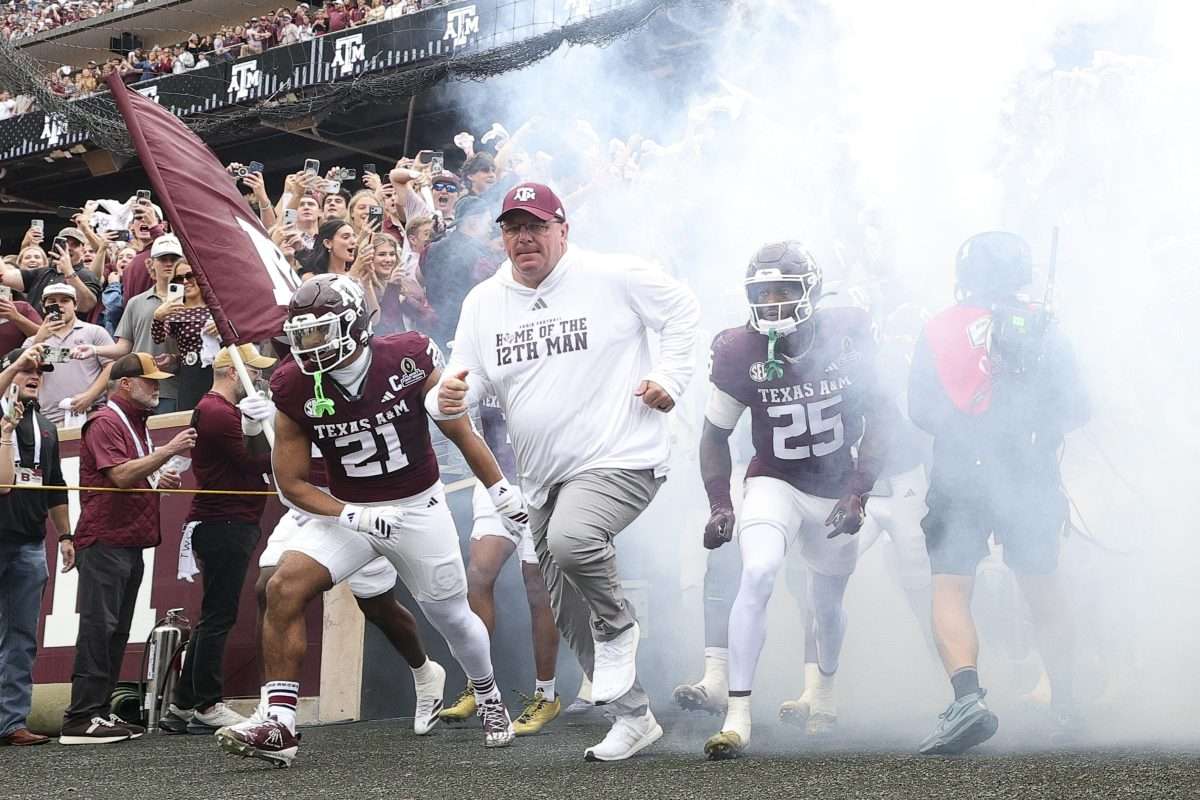
But the Game Day experience extends far beyond the stadium. Tailgating traditions, marching bands, campus festivities, and pregame shows transform entire college towns into all-day celebrations. Fans arrive hours before kickoff to grill food, play games, and socialize.
Television also amplifies the impact of college football Saturdays. ESPN’s College GameDay travels from campus to campus, highlighting the most important matchup each week while showcasing the atmosphere and traditions unique to each school.
Because this ritual happens across dozens of campuses every weekend, college football builds a nationwide culture that lasts for months rather than just one day.
The Kentucky Derby’s Single-Day Spectacle
While college football dominates in volume, the Kentucky Derby reigns supreme as a one-day sporting spectacle.
Held annually at Churchill Downs in Louisville, Kentucky, the Derby has been called “The Most Exciting Two Minutes in Sports.” The race itself lasts just two minutes, but Derby Day is a full-scale event packed with tradition, fashion, and entertainment.
Attendance at the Derby routinely exceeds 150,000 people, making it one of the largest annual sporting events in the United States. Fans travel from around the world to witness the race in person.
What truly separates the Derby from most other sporting events is its cultural identity. The pageantry includes elaborate hats, mint juleps, and the singing of “My Old Kentucky Home” before the race begins. These traditions have become inseparable from the Derby’s image.
Television audiences also reflect the race’s massive reach. Millions of viewers tune in each year, making it one of the most-watched horse racing events globally.
Economic and Cultural Impact
Both traditions generate significant economic activity, but they do so in different ways.
College football produces consistent economic boosts for college towns. Hotels, restaurants, bars, and local businesses often see their busiest days of the year during football weekends. In many smaller cities, a home game can drive millions of dollars in local spending.
The Kentucky Derby, on the other hand, creates an enormous but highly concentrated economic surge. Derby Week brings visitors, celebrities, and corporate events to Louisville, filling hotels and generating hundreds of millions of dollars in tourism and entertainment revenue.
In essence, college football spreads its impact across dozens of communities for several months, while the Derby delivers an intense burst of economic activity in one location.
Betting and Fan Engagement
Another major factor that contributes to the popularity of both traditions is wagering.
Horse racing has always been closely tied to betting, and the Kentucky Derby is the biggest wagering event on the racing calendar. Fans place bets ranging from simple win wagers to complex exotic combinations.
For those trying to understand potential returns on different wager types, tools like the TwinSpires horse betting payout calculator help bettors estimate payouts and explore how different betting structures work.
College football betting has also grown rapidly in recent years as legal sports betting expands across the United States. Fans can wager on point spreads, totals, and moneylines for hundreds of games each season, further increasing engagement with Game Day matchups.
So Which Tradition Is Bigger?
Ultimately, determining which tradition is “bigger” depends on the perspective.
If you measure by national reach and cumulative attendance, College Football Game Day is unmatched. The sport brings together millions of fans across the country every weekend and remains one of the defining cultural traditions of American sports.
If you measure by single-day spectacle, the Kentucky Derby stands alone. Few sporting events combine fashion, history, wagering, and global viewership into one unforgettable day.
In many ways, the two traditions complement each other. College football provides the ongoing weekly celebration of sports and community, while the Kentucky Derby offers one iconic day that captures worldwide attention.
Both represent something uniquely American: the ability to turn sports into unforgettable traditions that bring people together year after year.