The Big 12 and SEC are reportedly lined up for a non-conference scheduling agreement when a 24-team College Football Playoff becomes official, per FOX Sports analyst Joel Klatt.
Klatt, speaking with a Dallas radio station, 96.7 FM The Ticket, on Wednesday, said the collaboration expands well beyond “what we have now,” expecting more than just ranked matchups involving both leagues.
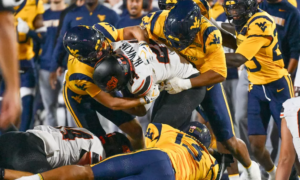
This fall, the Big 12 is 1-3 in head-to-head matchups with the SEC:
• Sept. 5: Auburn 17, Baylor 16
• Sept. 11: Missouri 38, Kansas 21
• Sept. 12: Texas A&M 48, Arizona State 20
• Sept. 12: Utah 43, Arkansas 10
Why the SEC Wins With This Agreement
The strength-of-schedule argument naturally includes Power Four matchups, but would exclusive, non-conference matchups with the SEC truly vindicate a larger share of their schools from CFP elimination?
How the SEC views the Big 12 is relevant here. Either A) the SEC views the Big 12 as adequate Power Four competition worthy of weighing a matchup like Baylor-Auburn toward the playoff, or B) the SEC sees the Big 12 as the conference least likely to disrupt the number of schools normally ineligible for the current 12-team playoff. Either way, an expansion to 24 teams means everyone’s odds go up, and thus those first three weeks of the regular season become incredibly valuable.
Historically, the SEC rules its football series with the Big 12:
• 2020s: SEC leads 17-13
• 2010s: SEC leads 28-18
• 2000s: SEC leads 20-15
• 1990s: SEC leads 6-4
Why the Big 12 Wins With This Agreement
On paper, this deal could potentially help both the Big 12 and the SEC. If the former is betting on itself, then those SEC games mean an early-season booster beating an SEC opponent, or a “strong” loss that could ultimately reward a strong league run.
Currently, the Big 12 boasts four programs in the top 25 – No. 2 BYU, No. 8 Texas Tech, No. 10 Utah and No. 14 Houston – with the answer to the question of whether the conference has stepped forward in 2026 being a resounding yes. Big 12 football week to week is more competitive than ever as of Week 8, but with the current model, the expectation is that one, maybe two schools actually break into the playoff.
In the scenario of a 24-team playoff plus a non-conference agreement with the SEC, who’s to say where the Big 12 could land should it stay on the same trajectory? An analysis by The Athletic projected that 15 of 16 Big 12 teams (Kansas being the outlier) would have qualified for a 24-team field at least once since the playoff was introduced in 2014.
As far as byproducts of a 24-team playoff go, a Big 12-SEC scheduling alliance is one most folks will be seated for.