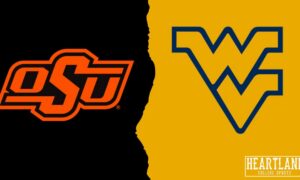
Oklahoma State head coach Mike Gundy addressed the role of social media in his locker room this week as his team searches for answers after a disappointing start to the season. Speaking to reporters, Gundy acknowledged the reality that players are going to consume what is said about them online, no matter how much a coach might advise otherwise.
“I don’t even try to tell them not to look or read it, because I think I’d just be wasting my time,” Gundy said. “It’s like when coaches used to take phones away in meetings — that used to be a big deal four or five years ago. Now, the coaches are worse than the players.”
Gundy explained that both players and staff are constantly connected, and pretending otherwise does not work. Rather than attempt to ban phones or police usage, he has taken a more pragmatic approach. “We don’t pretend to say, ‘Don’t do this, don’t do that,’” Gundy said. “I can’t even get my own three boys to not read it, so how am I going to get that accomplished with the team? If you can get that done, I’ll pay you a really good salary.”
The Cowboys’ head coach, now in his 20th season leading the program, added that managing social media is not about eliminating it but about handling it constructively. “Here’s what I do: social media is going on, phones are going on, and it’s okay,” Gundy said. “You just have to pick and choose, and then be able to put certain things aside and go back to work. That’s how we handle it.”
At the same time, he admitted that it is a difficult challenge, especially when negative narratives start to build around a struggling team. “That doesn’t mean it’s right,” Gundy said. “I think it’s extremely difficult. It’s a real challenge. A lot of people get into this stuff and don’t let it go — and it drives them crazy.”
For Oklahoma State, the comments reveal the balance between managing outside criticism and maintaining focus internally. With the program enduring one of its rougher starts in recent memory, the noise around the Cowboys has grown louder. Gundy’s perspective shows an understanding that the online conversation is part of modern college football, and the key is teaching players to navigate it rather than trying to shield them from it.