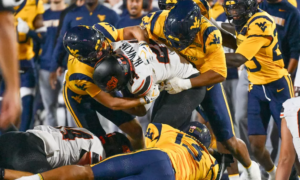
Big 12 and Big 12-bound athletes face brutal schedules with conference play packed tight. Teams like Kansas State and Iowa State often play twice weekly during basketball season. Football players at Texas Tech and Oklahoma State get just six days between games. Recovery between competitions separates good seasons from championship runs in these programs.
Conference schedules don’t allow for lengthy recovery periods between matchups. Arizona State plays at elevation in Colorado one weekend, then at sea level in Houston. UCF travels from Florida to Kansas in less than a week. Your body needs smart recovery to handle this grind across the season.
Balancing Athletics and Everything Else
Heartland athletes juggle practice, film sessions, travel, and classes throughout each week. Recovery needs planning just like game prep and study time require organization. Some people find support through Papersowl when managing paperwork demands becomes overwhelming. Others lean on strength coaches or sports medicine staff for recovery guidance. Getting help with certain commitments creates space for essential recovery work. This approach lets you focus on staying healthy and performing well. Strategic support means more time for what matters most right now.
Building recovery into your routine prevents the burnout that derails seasons. BYU and TCU athletes who prioritize recovery stay healthier through conference tournaments. The techniques below work for basketball, football, baseball, and softball players.
Active Recovery Between Games
Complete rest isn’t always best for athletes in conference play. Light activity helps blood flow and removes waste from tired muscles faster. Arizona Wildcats use pool workouts between basketball games for recovery without impact. Houston football players cycle at easy intensity the day after games.
Active recovery should feel easy, never pushing into fatigue or soreness. Think 30-40% of normal training intensity at most here. Oklahoma State uses yoga sessions for football players between Saturday games. Kansas State softball players walk campus instead of sitting around on recovery days.
Swimming works great for all sports with zero impact on joints. Cycling at a conversational pace helps legs recover without stress. These activities should leave you feeling refreshed, not worn out afterward.
Nutrition Timing Matters
What you eat after practices and games affects how fast you recover. The 30 minutes post-exercise is crucial for getting nutrients fast. Iowa State provides recovery shakes to athletes immediately after workouts finish. TCU football stocks chocolate milk in locker rooms for quick protein and carbs.
Aim for 20-25 grams of protein within 30 minutes of finishing exercise. Add carbs like rice or pasta to refill energy stores quickly. BYU’s sports dietitians work with athletes on meal timing around practices. Hydration matters just as much as food during recovery periods.
Key nutrition strategies for conference athletes:
- Protein at every meal keeps muscle repair going all day long
- More carbs on heavy days like game days and two-a-days
- Healthy fats reduce inflammation from hard practices naturally
- Colorful vegetables fight the stress that exercise puts on your body
- Consistent meal times keep energy stable throughout long days
Staying Hydrated in Different Climates
Playing in Lubbock’s dry heat differs from Cincinnati’s humidity completely. Arizona State athletes need different hydration than West Virginia players do. Sports drinks help during and after intense efforts in any climate. Coconut water offers natural electrolytes without the sugar some drinks have.
Check your urine color to monitor hydration through the day. Pale yellow means you’re good, dark yellow means drink more water. Weigh yourself before and after practice to see fluid losses accurately. Replace 150% of what you lost through sweat over the next hours.
Foods That Fight Inflammation
Certain foods reduce the inflammation that slows recovery after hard games. Berries, especially blueberries and tart cherries, help athletes recover faster naturally. Fatty fish like salmon provide omega-3s that combat soreness and inflammation. Turmeric and ginger both work well for reducing post-game inflammation.
Colorado and Utah athletes have access to great recovery nutrition programs. Kansas football stocks anti-inflammatory foods in team dining halls for players. Avoid processed junk that increases inflammation and slows your recovery down.
Sleep: The Foundation of Athletic Performance
Sleep is when your body repairs itself after practices and games. Baylor’s strength coaches recommend 8-10 hours nightly for athletes during the season. Cincinnati basketball players track sleep using wearables to monitor recovery quality. Missing sleep adds up fast when you’re playing twice weekly. As this college sleep guide shows, the same sleep habits that improve focus in class also boost recovery and performance on the field.
Studies show athletes getting under 7 hours see an 11% performance drop. West Virginia football coaches emphasize sleep as much as weight room work. Kansas basketball improved free throw shooting 9% after prioritizing player sleep schedules. Your immune system weakens without proper rest making you vulnerable to illness.
Keep consistent sleep times even during road trips to places like Lubbock or Morgantown. Utah athletes use blackout curtains and white noise on the road. Avoid phones an hour before bed as screens mess with your sleep hormones.
Ice Baths and Contrast Therapy
Ice baths remain popular across Big 12 programs despite mixed research results. Texas Tech football uses cold tubs set between 50-59°F after Saturday games. Players stay in for 10-15 minutes maximum to get benefits safely. Cold water reduces inflammation and numbs pain temporarily after physical games.
Contrast therapy alternates between hot and cold water multiple times. UCF uses three minutes hot, one minute cold, repeated 3-4 times total. This pumps blood through muscles helping them recover faster between games. Oklahoma State basketball players prefer this over ice baths alone.
Not everyone responds to cold therapy the same way though. Some Kansas State athletes feel great after ice baths, others feel worse. West Virginia coaches let players choose what works best for them individually. Experiment during non-conference play before using it during Big 12 games.
Compression Gear for Recovery
Compression clothing has become standard across Heartland conference programs now. These garments improve blood flow helping muscles recover between games. Houston provides compression gear to all athletes for post-practice use. The psychological boost of feeling supported helps many players too.
Wear compression for 2-3 hours after games or overnight following tough matchups. Arizona basketball players use compression sleeves during travel to away games. Iowa State softball wears compression tights between doubleheaders during conference play. Quality matters more than brand for actual recovery benefits here.
Baylor football tracks whether compression actually helps individual players recover faster. Some research questions the physiological benefits beyond placebo effects alone. If you feel better and perform better, use what works.
Foam Rolling and Recovery Tools
Foam rolling helps release tight muscles between games and practices. Roll slowly over sore areas spending 30-60 seconds per muscle group. Cincinnati athletes foam roll before and after workouts for flexibility benefits. Focus on the muscles your sport uses most heavily.
TCU football emphasizes hip and leg rolling for players during the season. Kansas State basketball targets quads, hamstrings, and calves between games regularly. The discomfort should be tolerable, not painful during the rolling process. Consistency beats duration with foam rolling work over time.
Massage guns have become popular across Big 12 programs recently too. Colorado provides these tools to athletes for personal recovery use. They offer similar benefits to foam rolling with less effort required. These tools complement proper stretching and mobility work done daily.
Mental Recovery Counts Too
Physical recovery gets attention but mental recovery matters equally for athletes. Competition stress affects your nervous system needing rest between games too. West Virginia uses meditation sessions for athletes during stressful conference stretches. Even 10 minutes daily provides real benefits for student athletes.
Arizona State encourages players to journal about games and practices regularly. This helps process experiences and identify what needs work going forward. Oklahoma State tracks athlete mood and stress levels through the season. Awareness helps coaches recognize when extra recovery time is needed badly.
Spend time with friends outside your team occasionally for mental breaks. Utah athletes maintain hobbies unrelated to their sport for balance purposes. BYU emphasizes whole-person development beyond just athletic performance alone. Balance prevents burnout that ends careers early for too many athletes.
Making Recovery Work for You
Create a recovery routine that fits your sport and schedule realistically. Basketball players need different protocols than football or baseball athletes do. Track what works through the season and adjust based on performance. Consistency with basics beats perfection with complex protocols you won’t follow.
Recovery determines how you perform in the next Big 12 matchup. Make it as important as film study and practice in your planning. Your conference opponents are recovering smart, so you need to as well.