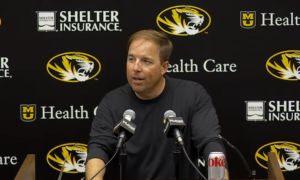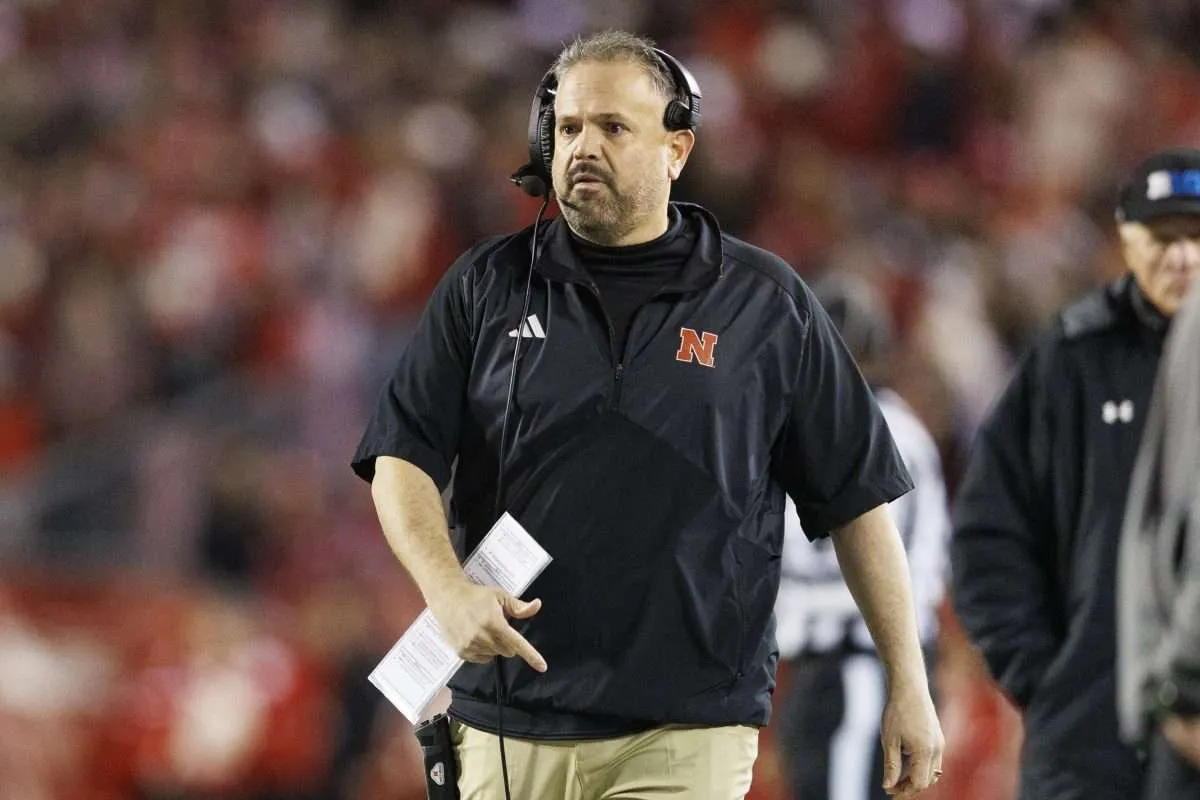
Nebraska head coach Matt Rhule addressed the swirling Penn State rumors with calibrated firmness at his Monday press conference. “I’m not going to talk a lot about job openings when they come,” Rhule said, per The Athletic’s Mitch Sherman. “I’m not going to talk about my contract here. I absolutely love it here. I want to continue to take the steps needed to turn this place into a beast.”
That’s a classic coach line, vague enough to deflect, confident enough to reassure, delivered in a moment where scrutiny all but demands clarity. With Penn State’s head coaching post suddenly vacant after the firing of James Franklin, Rhule is one of many names mentioned as a potential candidate. But his response makes clear: he’s not going to lead the “will-he‑not-he” speculation parade.
Rhule’s message is twofold. First: loyalty. He wants Nebraskans, donors, and players to hear that his roots are planted in Lincoln, not chasing temptation. Second: long game. He’s framing his tenure not in quarterly gains, but incremental growth toward something bigger and more imposing, a “beast,” in his words.
Still, context matters. Rhule is an alum of Penn State and carries connections to the region. The allure of redirecting a storied program like Penn State, with its conventional weight, resources, and recruiting pipelines, is real. In many past cycles, Rhule hasn’t hesitated to entertain bigger offers. But now, his public posture is clear: he’s not about to wander into speculation mode on official platforms.
What he said also puts pressure on Nebraska’s administration. If there ever were overtures from Penn State or elsewhere, doing it behind closed doors helps avoid the optics of public flirtation. Rhule’s words suggest he expects the school to match his public loyalty with tangible investment, support, and latitude to continue building.
Of course, talk is cheap. People will test the limits. If Penn State comes calling with a compelling offer, private conversations might diverge from public rhetoric. But for now, Rhule’s stance buys him cover. He’s drawn a rhetorical boundary: rumors stay rumors unless he gives them permission to be real.
At least publicly, that is.