The latest Big 12 men’s basketball season wasn’t exactly kind to Kansas State Wildcats.
Kansas State won just 12 games for its worst mark in five years, long-gone Jerome Tang is actively seeking his $18 million-plus buyout, and new face Casey Alexander is rebuilding the Wildcat roster with 10 new transfers and a couple of signees in the Class of 2026.
But a new insight provided by Kellis Robinett, the Kansas State beat reporter for the Kansas City Star and Wichita Eagle, suggests the athletic department will be outspent once again when it comes to NIL spenders across Big 12 hoops.
Earlier this month, Alexander said he sees “zero reason” why his team can’t win with the roster he’s assembled.
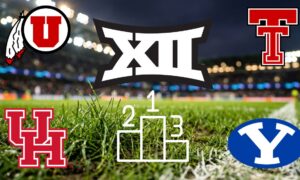
The House v. NCAA settlement paved the way for direct revenue sharing with a cap of $20.5 million before outside fundraising. Arizona, which won the Big 12 regular-season title this past season, spent $22.6 million in basketball operations this season; In-state rival Kansas spent $19.7 with the country’s No. 1 recruit in Darryn Peterson.
By comparison, Kansas State is set to spend just $6 million on its basketball roster, and another $19 million for its football roster for their first season with Collin Klein as head coach. That $25 million dollar evaluation for football and men’s hoops is set to pay players directly from the athletic department, per Robinett’s reporting.
As part of that story, Taylor, when asked about his plan for competing with the bigger spenders in the Big 12, said his coaches “understand that they don’t need to pay $7 million for a player.”
In just direct revenue sharing, the average Big 12 school spent anywhere between $17-21 million this past school year on just football and men’s basketball. As NIL evaluations rise for all sports, it’s becoming choppy waters for everyone to keep up.
That’s not to say Kansas State can’t raise the funds to remain competitive within the growing market – they most certainly can. The question is whether long-term spending is feasible for an athletic department and, more importantly, its delicate alumni base.
It’s a new world, sure, but we’re at a point where schools could be priced out of their own league. Is that the league folks want to live in? Apparently so.